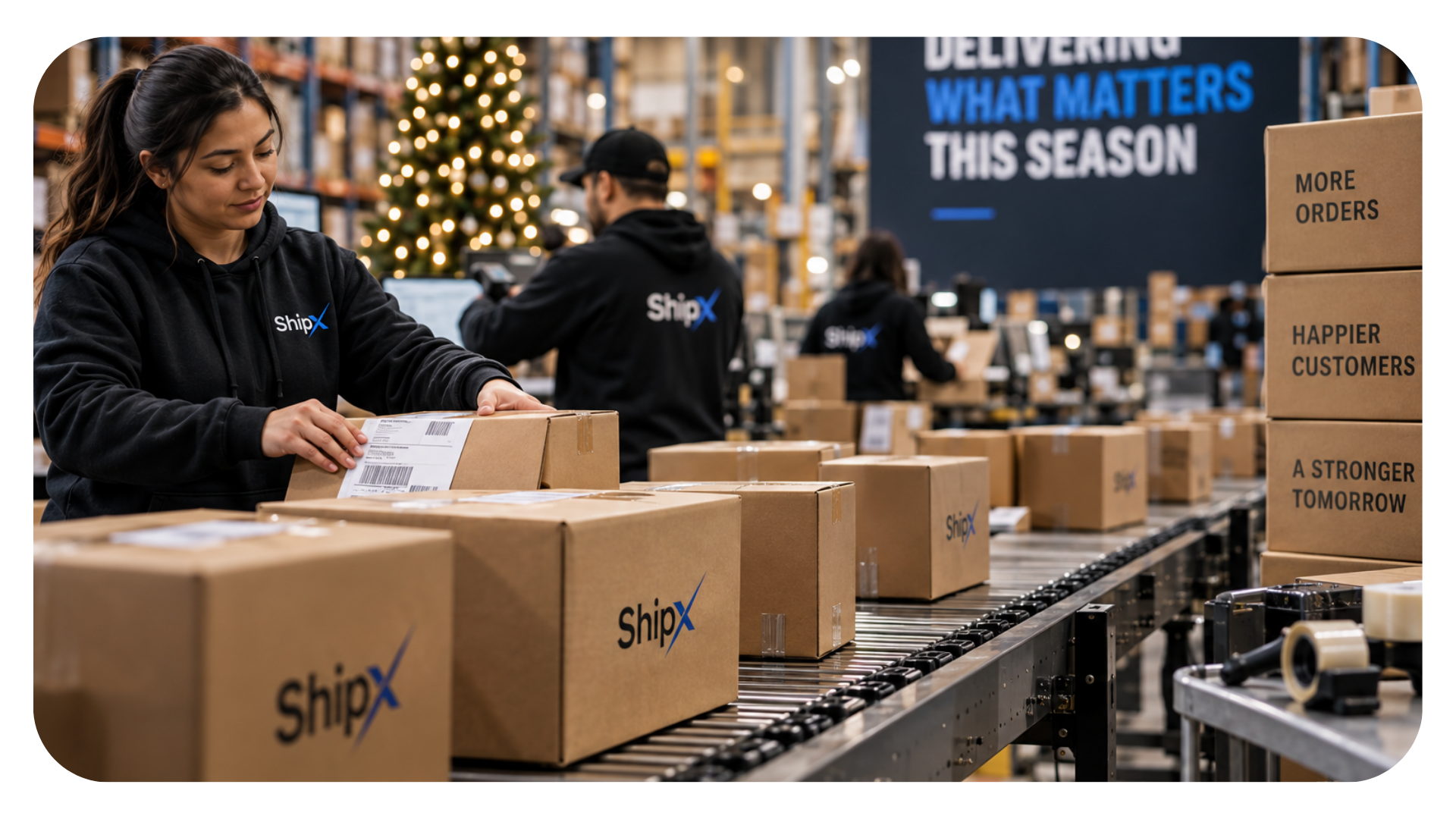
For many businesses, peak shipping season is both an opportunity and a challenge. Higher order volumes can drive significant revenue, but they can also place tremendous pressure on fulfillment operations, carrier capacity, and customer service teams.
The difference between a successful peak season and a stressful one often comes down to preparation.
Businesses that plan ahead are better equipped to handle increased demand, minimize delays, and deliver the consistent customer experience shoppers expect.
Waiting until orders begin to surge is rarely the best strategy.
As demand increases, carrier capacity becomes more limited, shipping rates may fluctuate, and even small operational inefficiencies become more noticeable.
Planning early gives businesses the flexibility to adjust before peak season arrives rather than reacting to challenges as they happen.
Preparation creates confidence across every stage of the shipping process.
One of the best ways to prepare is by reviewing previous shipping trends.
Looking at historical order volume, seasonal purchasing behavior, and delivery performance can help businesses anticipate future demand and allocate resources more effectively.
Questions worth asking include:
Using historical data creates a stronger foundation for planning.
Not every carrier performs the same under peak demand.
Evaluating carrier performance before the busiest shipping periods allows businesses to make informed decisions based on reliability, transit times, and service consistency.
Reviewing metrics such as on-time delivery rates, shipping costs, and customer feedback helps identify the best options for different shipment types.
Diversifying carrier options can also provide additional flexibility when capacity becomes limited.
Peak season planning extends beyond shipping.
Inventory management plays an equally important role in ensuring orders are fulfilled efficiently.
Businesses should evaluate:
Preparing these areas in advance helps prevent bottlenecks that could delay shipments once demand increases.
Communication becomes even more important during busy shipping periods.
Customers appreciate transparency, especially when shipping volumes are high.
Providing proactive updates, accurate delivery estimates, and shipment tracking information helps reduce uncertainty while minimizing customer support inquiries.
Clear communication builds trust, even when unexpected delays occur.
Preparation doesn't end once peak season begins.
Successful businesses continue monitoring shipping performance throughout the entire period to identify trends and respond quickly when adjustments are needed.
Important metrics to track include:
Regular monitoring helps businesses solve problems before they become larger operational challenges.
Each peak season provides valuable insights for future planning.
Reviewing performance after demand returns to normal allows businesses to identify strengths, uncover opportunities for improvement, and refine their shipping strategy for the following year.
Continuous improvement helps organizations become more resilient and better prepared for future growth.
Peak shipping season doesn't have to be overwhelming.
Businesses that prepare early, monitor performance closely, and maintain clear communication with customers are better positioned to deliver reliable service even during periods of increased demand.
Successful peak seasons are built long before the first holiday order is placed. By investing time in planning, businesses can improve efficiency, strengthen customer relationships, and turn seasonal challenges into opportunities for long-term growth.

